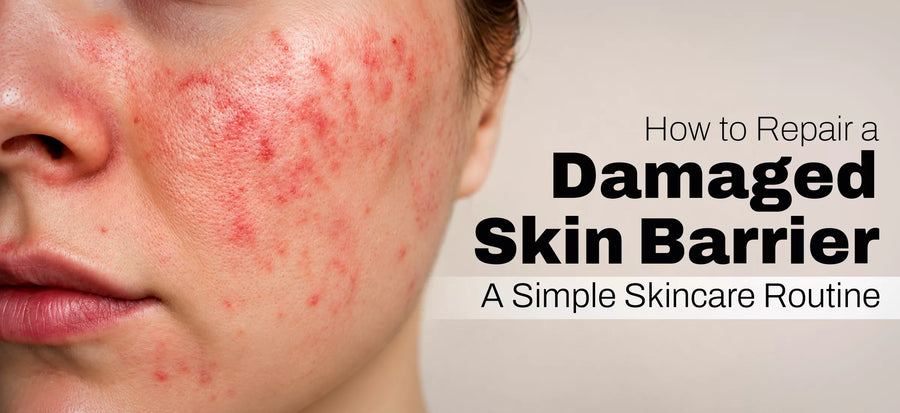
Walk out for five minutes in peak heat, and your face already feels greasy? Notice fresh breakouts by evening, even after cleansing in the morning? That’s the reality of oily skin in summer: it doesn’t just shine; it reacts.
But here’s the real question: Is your routine actually helping your acne-prone skin, or making it worse?
Why does oily skin in summer get worse?
Summer heat triggers excess sebum. Pores clog faster. The result? Acne, blackheads, and that constant sticky feeling.
If you’re dealing with oily skin in summer, chances are:
- Your pores feel congested by midday
- Breakouts appear more frequently
- Makeup doesn’t stay put
Read Our More Blogs: Best Ways to Remove Dark Circles and Puffiness Under the Eyes
Are you over-cleansing or cleansing right?
As tempting as it may sound to wash your face again and again. But overwashing strips your skin, making it produce even more oil.
A smarter skincare routine for oily skin starts with balance:
- Cleanse twice daily with a gentle gel-based face wash
- Use lukewarm water, not hot
- Pat dry, don’t rub
Should you skip moisturiser if your skin is oily?
This is one of the biggest myths. Your skin still needs hydration. In fact, dehydration can increase oil production.
Look for lightweight, gel-based formulas. Ingredients like hyaluronic acid help maintain moisture without clogging pores. A good skincare routine for oily skin always includes hydration, even in peak heat.
What role does sunscreen play for acne-prone skin?
Many people avoid sunscreen because it feels heavy. But skipping it can worsen acne marks and pigmentation.
The real question is: Are you using the right sunscreen?
A Non-comedogenic sunscreen is key. It protects without blocking pores.
That’s where Irwings steps in with its playful yet derma-recommended approach. Their on-the-go skincare is designed for real summer problems.
Irwings 2% Hyaluronic Acid Sunscreen Hydra Gel SPF 50 PA++++ is built for oily skin in summer. It packs the power of ingredients such as:
- 2% Hyaluronic Acid for hydration
- Quaternium-73 for acne control
- Aurafirm P to support the skin barrier
- Allantoin to soothe irritation
The texture is light. It doesn’t feel greasy. And it fits perfectly into a skincare routine for oily skin when you’re stepping out in the sun.
Do weekly treatments actually help?
Yes, if you choose the right one. A clay mask for oily skin can pull out excess oil and impurities from deep within pores. But using it daily? That’s a mistake.
Stick to:
- Once or twice a week
- Focus on the T-zone if needed
- Follow with hydration
This step resets your skin without over-drying it.
Are small habits making a big difference?
Sometimes, it’s not just products. It’s what you do daily.
If you have oily skin in summer, try this:
- Avoid touching your face frequently
- Use a clean towel and pillowcase
- Stay hydrated throughout the day
- Blot excess oil instead of layering powder
These small tweaks support your routine and reduce breakouts.
Also Read Blog: Sunscreen SPF 50 PA++++: Benefits, Uses & Skincare Tips
What does a simple summer routine look like?
Keep it minimal and consistent:
- Gentle cleanser (morning and night)
- Lightweight moisturiser
- Non-comedogenic sunscreen like Irwings 2% Hyaluronic Acid Sunscreen Hydra Gel SPF 50 PA++++.
- Weekly Clay mask for oily skin
So, can you actually control oily skin in summer?
Yes, but not by fighting your skin. Work with it. Balance oil, don’t strip it. Protect, don’t ignore. And choose products that are made for your skin type. Because managing oily skin in summer shouldn’t feel like a battle, it should feel like a routine you can stick to.
FAQs
1. Why does oily skin in summer get worse?
Heat increases sebum production, and sweat mixes with dirt, leading to clogged pores and acne.
2. What is the best skincare routine for oily skin in summer?
A simple routine with gentle cleansing, lightweight hydration, sunscreen, and weekly masking works best.
3. Can I skip moisturiser if I have oily skin?
No, skipping moisturiser can dehydrate your skin and increase oil production.
4. What type of sunscreen is best for acne-prone skin?
A Non-comedogenic sunscreen with a lightweight, gel texture is ideal.
5. How many times should I put a clay mask on oily skin?
Use it once or twice a week to control excess oil without over-drying your skin.

Irwings 2% Hyaluronic Sunscreen Hydra Gel SPF 50 PA++++ 50g
Broad Spectrum | Helps Prevent Tan, Dark Spots & Pigmentation | No White Cast | Oily & Dry...
Cleanse→Treat→Moisturise→Protect
View productThis article is general information about skincare, not medical advice. If your skin is painful, swelling, or changing in a way that worries you, see a dermatologist rather than a product page.