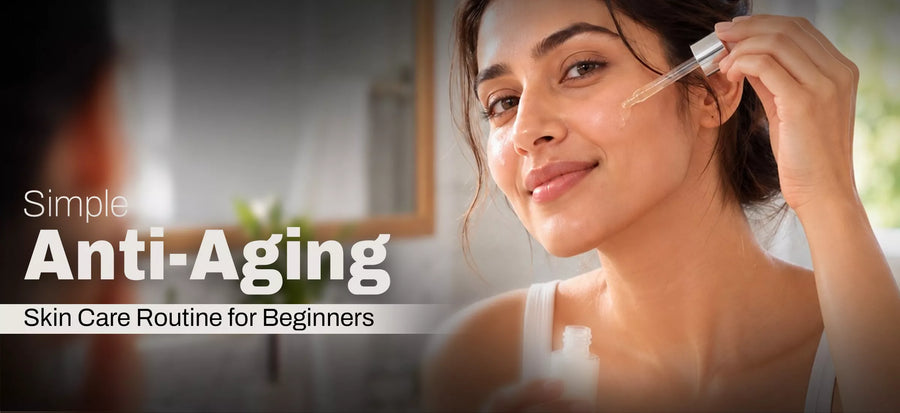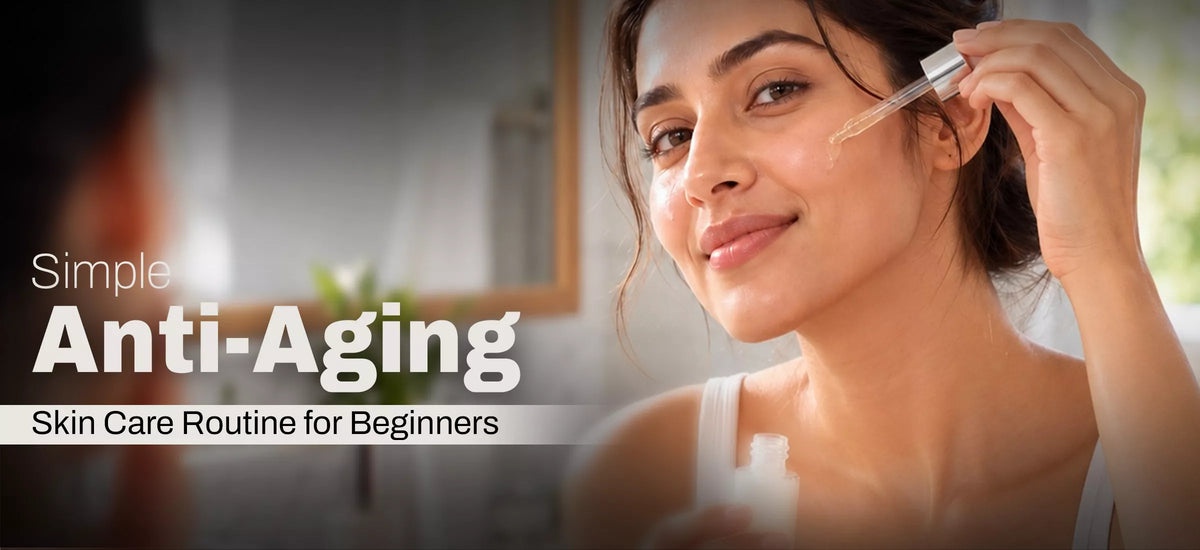
Starting an anti-aging skin care routine should be simple for the beginners instead of delving into a shelf full of creams and serums. Specially for the beginners, the better approach is to protect the skin, maintain hydration and gradually address visible signs such as fine lines, uneven skin tone and loss of brightness.
Steps for skin care routine for beginners
So a better-designed skin care routine for beginners should be like:
Step 1: Gentle Cleansing
The first step is to begin the morning and evening skin care routine with a mild cleanser because cleansing removes sweat, excess oil, sunscreen and dirt while supporting the skin barrier.
Remember not to do aggressive scrubbing because it may compromise the skin barrier and can make the skin dry, irritated and make the fine lines appear more noticeably.
Step 2: Add a Targeted Anti-Aging Serum
After cleansing the skin, apply a ACE Anti Aging Face Serum that is formulated with effective ingredients like Acetyl Hexapeptide-8, Superoxide Dismutase (SOD), Glycyrrhetinic Acid and stabilised Vitamin C. This face serum will help in addressing the concerns like expression lines, oxidative stress, uneven skin tone and maintenance of overall skin smoothness.
Acetyl Hexapeptide-8
Acetyl Hexapeptide-8 is a synthetic peptide that is commonly used in anti-aging formulations to reduce the appearance of fine lines and expression wrinkles by mimicking the action of Botox and is particularly useful for the facial areas that are prone to develop visible lines due to repetitive facial movements, like the forehead and around the eyes. It also supports collagen production, which helps in improving skin’s firmness.
Superoxide Dismutase
Superoxide Dismutase or SOD, is an antioxidant enzyme that helps in neutralising reactive oxygen species because oxidative stress is one of the key factors that cause premature skin ageing, therefore, antioxidants should be considered as a useful part of an anti-aging skin care routine.
Glycyrrhetinic Acid
Glycyrrhetinic Acid is derived from liquorice and is valued for its soothing and skin-brightening properties. It helps in reducing dark spots and uneven skin tone by inhibiting the tyrosinase enzyme, which is responsible for melanin production.
Stabilized Vitamin C
Stabilized Vitamin C is a preferred antioxidant that is used in anti-aging skin care to help in fading dark spots and support even skin tone. While protecting the skin against oxidative stress, it also supports collagen production to smoothen fine lines.
Step 3: Moisturise
Skin hydration is important to maintain the skin barrier and control the appearance of fine lines by improving the skin's water content. Always choose a moisturiser that suits your skin type and not too greasy.
Step 4: Never Skip Sunscreen
Sunscreen is the most important daytime step in anti-aging skin care, therefore use a broad-spectrum sunscreen with SPF 50++++ or higher and apply it as the final step of your morning routine. Regular UV exposure accelerates photoaging and contributes to wrinkles, pigmentation and loss of skin elasticity.
What About Retinol?
Retinol can be useful for fine lines, pigmentation and uneven texture, but beginners do not necessarily need to use it. Retinoids are known to cause dryness and irritation, particularly when used too frequently. Even if you decide to add retinol, then start with a low-strength product on alternate nights and increase gradually as your skin adjusts. Retinoids should not be used during pregnancy.
Keep the Routine Simple and Consistent
Therefore, a practical anti-aging skin care routine for beginners can be:
Morning: Cleanser → Anti-aging serum → Moisturiser → SPF 50++++ sunscreen
Night: Cleanser → Anti-aging serum → Moisturiser
The key is consistency rather than constantly adding new products because most products need several weeks of consistent use before their effects can be properly assessed.
Frequently Asked Questions
1. What Is the Simplest Anti-Aging Skincare Routine for Beginners?
Cleanse, apply a suitable anti-aging serum, moisturise and use broad-spectrum SPF 50++++ every morning. At night, cleanse, apply the serum and moisturise.
2. Should Beginners Use Retinol for Anti-Aging?
Retinol can be beneficial, but it is not compulsory. Beginners should introduce it slowly because irritation and dryness are common when retinoids are used.
3. What Is the Best Morning Skincare Routine for Anti-Aging?
Use a gentle cleanser, antioxidant serum such as Vitamin C, moisturiser and broad-spectrum SPF 30+ sunscreen. Sunscreen should remain the priority.
4. Can I Use Vitamin C and Retinol in the Same Skincare Routine?
Yes, they can generally be incorporated into the same overall routine, but beginners may find it easier to use Vitamin C in the morning and retinol at night.
5. What Are the Biggest Anti-Aging Skincare Mistakes Beginners Make?
Common mistakes include skipping sunscreen, using too many active ingredients at once, over-exfoliating, applying excessive amounts of product and abandoning a routine before giving it enough time to work. Keeping the routine simple and consistent is usually the better strategy.
This article is general information about skincare, not medical advice. If your skin is painful, swelling, or changing in a way that worries you, see a dermatologist rather than a product page.