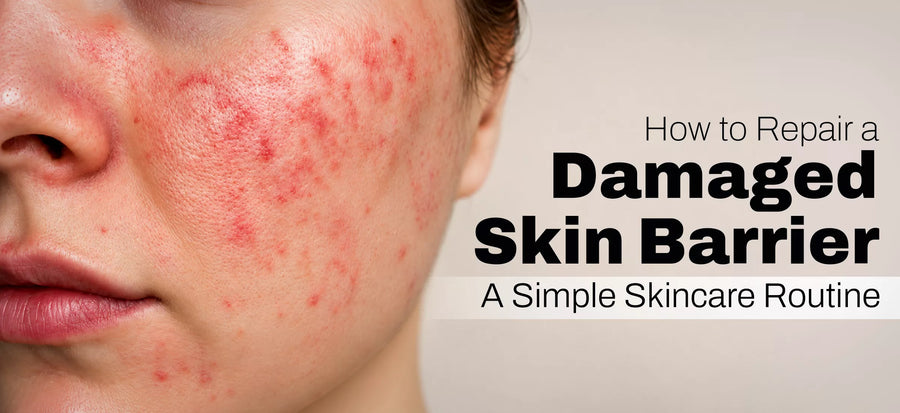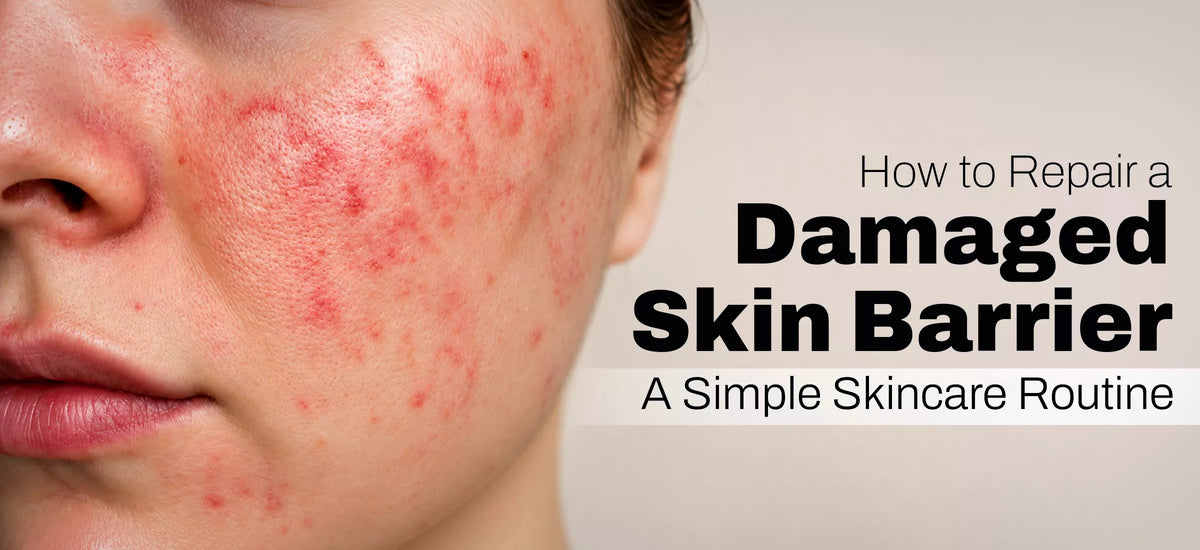
If you are experiencing persistently dry, scaly and peeling skin that itches and gets inflamed too often, even when you follow a regular skincare routine, then these are the signs of a damaged skin barrier, which is the outermost part of the skin layer, known as the stratum corneum. It helps in retaining the moisture and protects the skin against external irritants, allergens and environmental stressors. When this protective layer is compromised, the skin may lose water more quickly through transepidermal water loss and react to allergens and products with inflammation and redness.
What Causes a Damaged Skin Barrier?
The skin barrier is a well-organised structure of skin cells and lipids like ceramides, cholesterol and fatty acids. Together, they help limit water loss and maintain a protective surface.
There are several factors that can damage this structure, such as genetic mutation of the filaggrin gene causing atopic dermatitis, frequent washing using harsh cleansers, over-exfoliating with AHAs, BHAs and physical scrubbing, prolonged exposure to cold weather, dry air and UV. In acne-prone skin, retinoids are used to control breakouts, which weaken the skin barrier. Therefore, identifying the cause is an important first step towards treating a damaged skin barrier.
A Simple Skincare Routine to Repair a Damaged Skin Barrier
1. Cleanse Gently
Use a mild, fragrance-free cleanser that removes dirt, sunscreen and excess oil without leaving your skin feeling stripped. Wash with lukewarm water instead of hot water, and avoid rubbing your face with a towel.
2. Apply a Hydrating Serum
Hydration helps improve skin comfort while the barrier recovers. Look for formulations containing ingredients such as ceramides, glycerin, hyaluronic acid or panthenol, which help in repairing the barrier and attracting or retaining moisture.
The Irwings Barrier Repair Serum can be considered as part of this step. It is a light, water-based, fragrance-free and non-comedogenic formula made for acne-prone, oily and sensitive skin. Its ceramide complex is a blend of phospholipids and sphingolipids. It resembles the lipids a healthy barrier is built from, so it helps replace what harsh routines remove. Hyaluronic acid draws water into the upper layers without adding oil. Hesperidin, a citrus-derived antioxidant, helps calm visible redness and guard against daily stress. Oat peptides and L-arginine complete the formula.
To use it, cleanse, then press two to three pumps over your face and neck. Follow with moisturiser, morning and night. On retinol or acid nights, apply it first as a buffer.
3. Seal in Moisture With a Moisturiser
Apply a Irwings Biome Bright Matte Moisturiser after your serum to reduce transepidermal water loss (TEWL), the process through which water evaporates from the skin. Ingredients such as ceramides, glycerin and squalane can support moisture retention and barrier function. For oily skin use a lightweight, non-comedogenic moisturiser.
4. Use Sunscreen Every Morning
UV exposure can aggravate inflammation and contribute to skin damage. Apply a broad-spectrum sunscreen with SPF 50 or higher each morning, and reapply every 4 hours when outdoors.
5. Pause Irritating Products
Temporarily stop exfoliating acids, scrubs and other products that cause discomfort. Retinoids and acne treatments may also need to be reduced or paused if they are irritating your skin. Once symptoms settle, reintroduce necessary active ingredients gradually, one at a time, rather than restarting everything together.
How Long Does Skin Barrier Repair Take?
Recovery depends on the severity of the irritation, the underlying cause and the consistency of your routine. Mild irritation may improve within several days, while more substantial barrier damage can take weeks or longer.
A gentle routine, adequate moisturisation and consistent sun protection are more useful than adding multiple new treatments.
Frequently Asked Questions
1. What Are the Signs of a Damaged Skin Barrier?
Dryness, flaking, redness, tightness, itching and stinging after applying skincare products are common signs. Increased sensitivity may also occur.
2. Should You Stop Using Active Ingredients When Your Skin Barrier Is Damaged?
Pause or reduce active ingredients that cause irritation, particularly exfoliating acids, retinoids and strong acne treatments. Resume them gradually after your skin settles.
3. What Ingredients Help Repair and Strengthen the Skin Barrier?
Ceramides, cholesterol and fatty acids help support the barrier's lipid structure. Glycerin, hyaluronic acid and panthenol support hydration.
4. Can a Damaged Skin Barrier Cause Acne and Breakouts?
Barrier disruption may contribute to inflammation, irritation and acne-like bumps. However, it does not directly cause every type of acne.
5. What Skincare Mistakes Can Prevent Your Skin Barrier From Healing?
Over-exfoliating, using harsh cleansers, layering several active ingredients, skipping moisturiser and neglecting sunscreen can prolong irritation.
This article is general information about skincare, not medical advice. If your skin is painful, swelling, or changing in a way that worries you, see a dermatologist rather than a product page.